In This Session
What Stefan,
What Stefan,
Katherine
& Alan Cover
45 minutes of data, neuroscience, and live tools — built for leaders who want to understand why their calendar looks the way it does, not just that it does.
01
The Anxiety Fingerprint
How three measurable patterns — Participant Creep, Scheduling Latency, and Reassurance Loops — show up in millions of real workplace calendars when pressure rises.
02
The Neuroscience Behind It
What happens in the brain when certainty disappears — and why your organisation reaches for more meetings instead of better decisions.
03
Three Practical Interventions
The Rule of 5, Label It, and Separate the Streams. Concrete tools you can introduce to your team this week.
Your busyness is not a workload problem.
It is a coping mechanism.
It is a coping mechanism.
When the brain cannot find certainty, it reaches for visible, low-stakes activity. It fills the diary. It adds more people to the meeting. It books the call to plan the call. This is not a personal failure. It is biology. And it shows up, every time, in the calendar.
The Data
Three Patterns.
Three Patterns.
Millions of Calendars.
+30%
Participant Creep
Meetings grow by an average of 30% in attendee numbers when uncertainty rises.
You add your manager, then their peer, then someone from legal. Not because they need to be there. Because having them in the room means the decision is no longer yours alone.
+48h
Scheduling Latency
The average meeting slot is delayed by 48 hours when the agenda involves something genuinely difficult.
The slot keeps getting moved back. Not because diaries are full. Because something might become clearer if you just wait. It never does.
3×
Reassurance Loops
A threefold increase in meetings held specifically to plan other meetings.
Monday is back-to-back. Friday is empty. The week was full of activity and nothing was decided. You book a call for next week to pick up where you left off.
Three Interventions.
Use Them This Week.
Intervention 01
The Rule of 5
Decision-making meetings limited to the necessary deciders only — no more than five people. If more than five need to be there, you are not making a decision. You are managing anxiety.
Intervention 02
Label It
Name the specific decision being deferred, in writing, by Tuesday afternoon. Not the meeting topic. The actual decision. If you cannot name it, you cannot make it.
Intervention 03
Separate the Streams
Create completely distinct channels for status updates and actual decisions. When they share the same meeting, the status always wins. Every time.
The Speakers


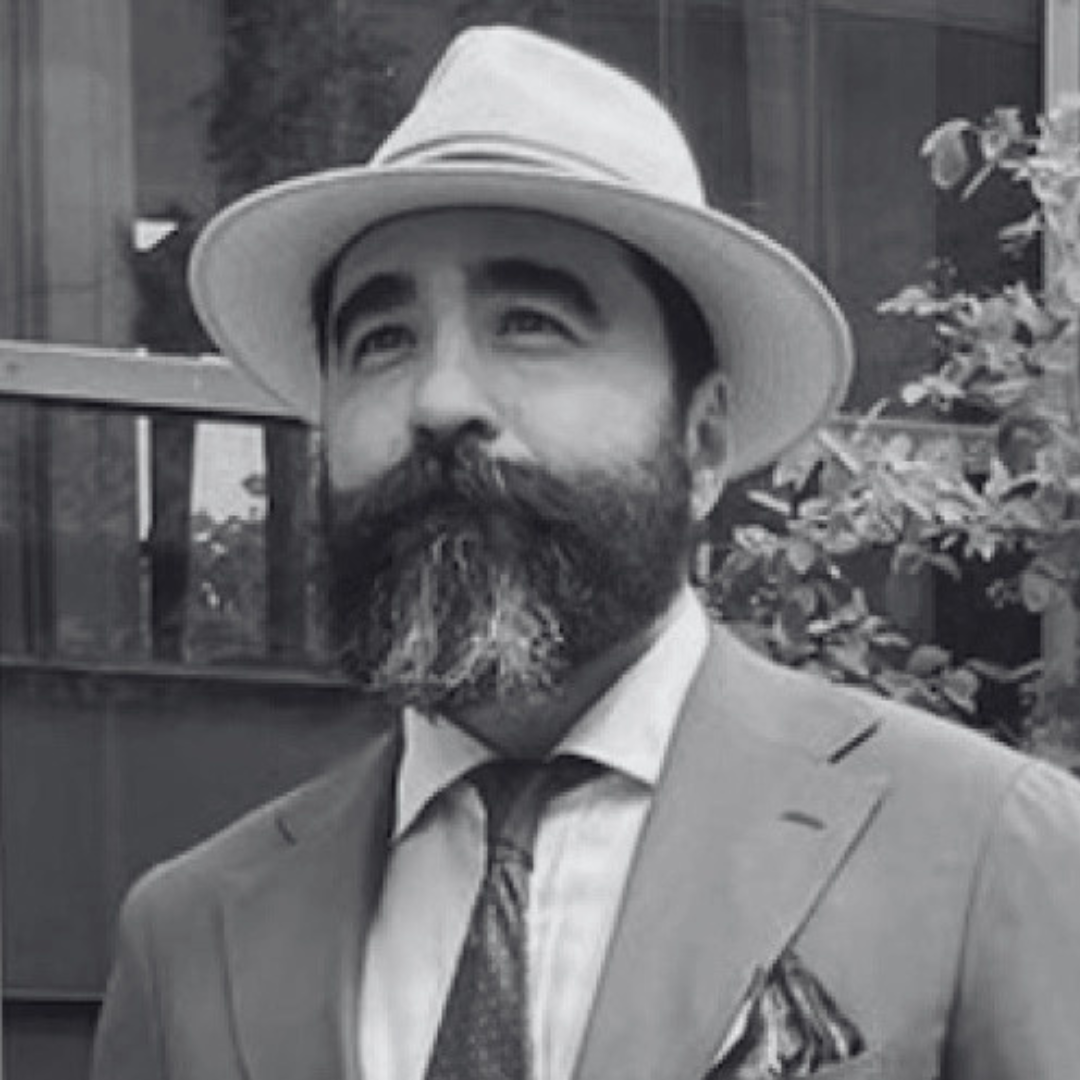
Three Expert Voices
Katherine Templar Lewis
Neuroscientist & Co-founder, Uncertainty Experts
Katherine connects behavioural science to everyday leadership. She explains exactly what happens in the brain when pressure rises, and why your calendar bears the fingerprints.
Stefan Nolte
Co-founder, Doodle Time Institute
Stefan co-founded the Doodle Time Institute, Doodle's independent non-profit research lab dedicated to the science of time at work. He brings the data that makes the Anxiety Fingerprint visible at scale.
Alan Spark
Chief Data & AI Officer, Doodle
Alan translates the Institute's research into operational insight — what millions of scheduling data points reveal about how organisations actually work under pressure.
Want To Take This Further
With Your Team?
This session sits at the heart of what Uncertainty Experts was built to address. If what you heard resonates, the programme goes significantly deeper with your leadership team.
Get In Touch Uncertainty Experts is a Mediazoo programme